 John Alex
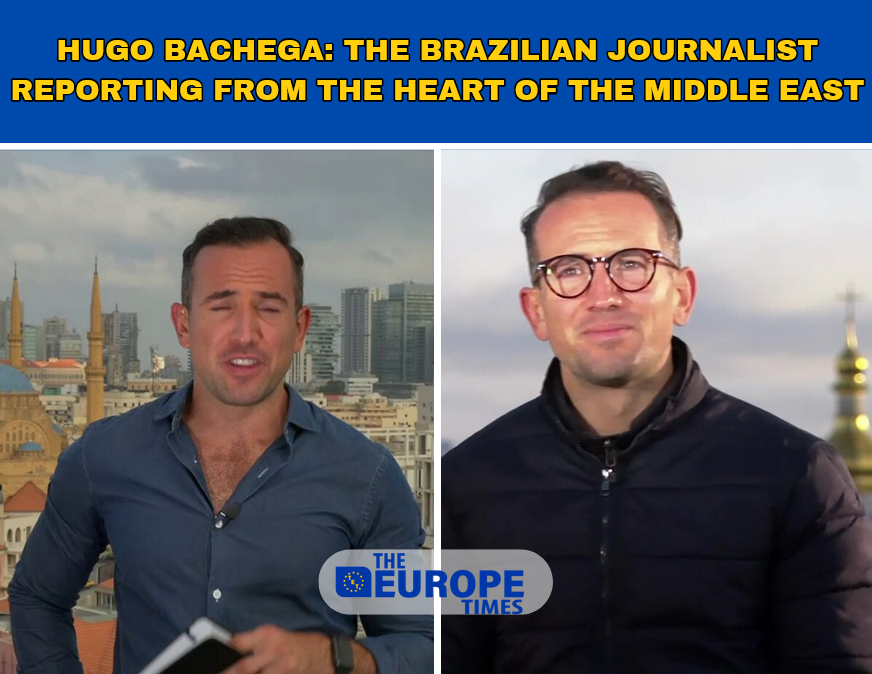
Hugo Bachega is a Brazilian journalist and BBC Middle East correspondent whose fearless reporting from some of the world’s most volatile regions has made him a trusted voice in international journalism. Based near Beirut, Lebanon, and Jerusalem, Bachega has covered a wide range of critical developments in Gaza, Israel, Iran, Lebanon, and Palestine, providing in-depth, real-time analysis from areas often engulfed in conflict and uncertainty.
What sets Bachega apart is his commitment to truth and empathy. He doesn’t merely report on war—he tells the stories of the people living through it, often under the most dangerous and emotionally charged conditions. With a calm demeanor and relentless pursuit of accuracy, Bachega has become a vital bridge between complex Middle Eastern realities and global understanding. His work is not just journalism—it’s a profound act of connection, humanization, and global responsibility.
| Full Name | Hugo Bachega |
|---|---|
| Profession | Journalist, Foreign Correspondent |
| Current Role | BBC Middle East Correspondent |
| Nationality | Brazilian |
| Location/Base | Beirut (Lebanon) and near Jerusalem |
| Specialization | Conflict reporting, Middle Eastern affairs |
| Notable Regions Covered | Gaza, Israel, Palestine, Lebanon, Iran |
| Employer | British Broadcasting Corporation (BBC) |
| Languages | Likely fluent in Portuguese and English |
| Career Highlights | On-ground reporting from active war zones and uprisings |
| Journalism Style | Factual, empathetic, and culturally sensitive |
| Years Active | 2010s–present (estimated) |
| Education | Not publicly disclosed |
| Public Appearances | BBC World News, Online Broadcasts, Live War Coverage |
| Recognition | Known for balanced reporting and ethical journalism |
| Social Media | Limited public profile (not widely active) |
Early Life and Background
Hugo Bachega was born in Brazil, a country known for its vibrant culture and complex social dynamics. Growing up in a country that has its own challenges of inequality and political unrest likely shaped his sensitivity to global conflicts and the human stories behind them. From an early age, Bachega showed a strong interest in storytelling and global affairs, leading him to pursue a career in journalism.
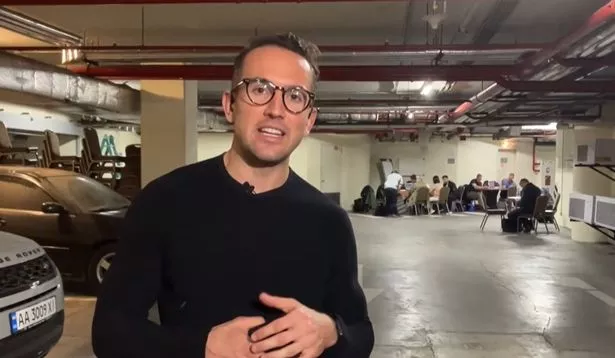
Brazil may be far from the Middle East geographically, but for Bachega, the connection was formed through empathy, curiosity, and a deep desire to understand conflict zones. His Brazilian heritage adds a unique lens to his reporting—bringing South American nuance to Middle Eastern complexities. Although little is publicly known about his early education or family life, his career trajectory demonstrates both academic rigor and real-world experience that make him one of today’s most respected foreign correspondents.
From Local Journalism to Global Frontlines
Hugo Bachega’s path to becoming a BBC Middle East correspondent was not an overnight success—it was built through years of dedication, fieldwork, and hard-earned credibility. He likely began his journalism career in Brazil or with international outlets covering Latin America, before transitioning into more volatile and geopolitically sensitive regions.
What distinguishes Bachega is not just his ability to report facts but his empathy for those caught in conflict. Each story he covers is layered with historical context, regional understanding, and personal testimony. Over the years, he has reported from some of the world’s most dangerous locations, including Gaza, Lebanon, Israel, Iran, and the West Bank, proving his dedication to unfiltered journalism. His career reflects a journalist’s courage, not just to report, but to care.
Recommended Read: Jason Kolsevich: The Private Life and Career of CNN’s Paula Reid’s Husband
Reporting from the Middle East: A Mission Beyond Headlines
Stationed primarily in Beirut and near Jerusalem, Hugo Bachega has become one of the BBC’s most recognized voices in Middle Eastern coverage. His location puts him at the crossroads of history, where cultures, religions, and geopolitics intersect in complex and often dangerous ways.
Bachega’s work often takes him to frontlines—places where other reporters may hesitate to go. He covers conflict zones with balance and humanity, aiming to portray not just the politics but the people affected. From bombarded neighborhoods in Gaza to tense protests in Iran, his journalism centers on the human condition, and that makes his reporting emotionally resonant.
His proximity to major events allows him to offer immediate, accurate, and often chillingly real narratives—earning the trust of viewers and readers worldwide.
The Challenges of War Reporting
Reporting from conflict zones demands more than journalistic skill—it requires emotional resilience, ethical judgment, and personal sacrifice. Hugo Bachega, like many war correspondents, often faces physical danger, mental fatigue, and moral dilemmas.
Covering the Gaza Strip during active conflict, for example, means reporting under threat of airstrikes or gunfire. In Lebanon and Israel, political tensions can escalate quickly, forcing correspondents to make split-second decisions. Bachega has not only endured these environments but has excelled in conveying their complexities.
Beyond the risks, he also navigates emotional trauma—witnessing civilian suffering, displacement, and violence regularly. Yet he continues his work, fueled by a belief that the world deserves to know the truth—even when it’s painful.
Don’t Miss: Kat Timpf Net Worth: A Comprehensive Look at the Popular Fox News Star’s Earnings and Career
On the Ground in Gaza
Hugo Bachega’s reporting from Gaza has been especially impactful, offering some of the most detailed and balanced insights into one of the world’s most misunderstood regions. His work in Gaza reflects a commitment to telling all sides of the story—from the experiences of Palestinian civilians to the political implications of Hamas-Israel dynamics.
What sets Bachega apart is that he doesn’t sensationalize tragedy. Instead, he humanizes it. His field reports often include interviews with families, aid workers, and youth—showing not just what is happening, but how it affects lives.
His calm demeanor and fact-based reporting during moments of chaos offer audiences clarity amidst confusion. Through his work, he helps cut through propaganda, disinformation, and emotional bias—a difficult but vital role in today’s polarized media landscape.
Covering Lebanon and Hezbollah
Lebanon presents a unique set of challenges for foreign correspondents, and Hugo Bachega has demonstrated exceptional understanding of the country’s fragile political landscape. From covering the economic collapse in Beirut to monitoring Hezbollah’s role in regional tensions, Bachega provides a lens into a nation shaped by resilience and volatility.
He has often reported from the border regions of southern Lebanon, where tensions between Hezbollah and Israel can erupt without warning. His reporting from Lebanon includes not just conflict but also context—history, identity, and survival. Whether interviewing local families or examining refugee crises, Bachega’s coverage is both comprehensive and compassionate.
Insightful Reporting on Iran
Iran is notoriously difficult for foreign journalists to access and operate within, yet Bachega has covered major events there, including political uprisings and state-sponsored crackdowns. His reporting on women’s protests, censorship, and the role of the Revolutionary Guard is especially noteworthy.
Despite the risks, Bachega manages to provide unfiltered views of Iranian society, drawing attention to its contradictions and complexities. His interviews often amplify voices that are silenced within the country itself—giving the outside world a rare glimpse into life under authoritarian rule.
His integrity and discretion have allowed him to report without compromising sources or sensationalizing stories. Instead, he provides truth with nuance—an essential skill in Iranian reportage.
Explore More: Amanda Kate Lambert: A Life of Music, Art, and the Weight of a Legendary Legacy
The Human Side of Journalism
One of Hugo Bachega’s greatest strengths is his emotional connection to the stories he tells. He doesn’t just report events—he engages with them. Whether speaking with families in bomb shelters or children displaced by war, he treats his subjects not as case studies, but as individuals with dignity and voice.
This emotional intelligence has made his storytelling deeply impactful. Bachega often brings viewers into the psychological and emotional layers of conflict, showing not just what happened, but why it matters. His empathy doesn’t dilute his objectivity—it strengthens it, grounding his journalism in humanity.
The Importance of Cultural Sensitivity
Reporting from the Middle East requires more than knowledge of geopolitics—it requires respect for diverse cultures, religions, and social dynamics. Hugo Bachega demonstrates this in every report.
Whether covering Shiite communities in Lebanon or Sunni families in Gaza, he never imposes an external narrative. Instead, he listens, observes, and reflects the experiences of those who live in these regions daily. This sensitivity has earned him respect both locally and globally, allowing him access and trust that many foreign reporters struggle to gain.
Navigating Journalism in the Digital Age
As a correspondent for the BBC, Hugo Bachega operates within a fast-evolving media landscape, where information spreads instantly and misinformation can go viral. His ability to deliver verified, fact-checked reports in real-time is essential to countering false narratives.
Bachega’s work is often featured on BBC World News and the BBC website, reaching global audiences. His accuracy and clear delivery stand in contrast to the sensationalism of social media, making him a reliable voice in a noisy world.
Recommended Read: Hugh Lambert’s Journey: From Broadway to Hollywood and Family Legacy
Turning Points in His Career
Throughout his career, Hugo Bachega has covered events that marked turning points in both the region and his professional journey. From major Israeli military operations in Gaza to mass protests in Tehran, each moment has deepened his expertise and sharpened his voice.
One defining moment may be his coverage of the 2021 Israel-Gaza conflict, where his calm yet urgent reporting brought clarity to a global crisis. Each assignment has not only informed his audience but shaped him as a person and journalist.
Impact and Influence in Global Journalism
Hugo Bachega has become a trusted figure in international journalism. His balanced tone, ethical reporting, and fearless presence in volatile regions set a high standard for foreign correspondents.
Young journalists often cite his work as an example of courage and compassion coexisting in field reporting. Media outlets, researchers, and global citizens look to Bachega’s insights to understand the nuanced realities of the Middle East.
Personal Values and Professional Ethics
Bachega is guided by a strong moral compass. His reporting reflects a commitment to truth, empathy, and responsibility. While he maintains a relatively low personal profile, his values speak through his work.
He avoids glorifying conflict and instead highlights its consequences. His ethical stance is a breath of fresh air in an industry often criticized for insensitivity or bias. Bachega shows that journalism can be both tough and tender—both critical and compassionate.
Life Beyond the Lens
Little is known about Hugo Bachega’s private life, and that’s by design. He keeps the focus on stories, not self-promotion. His humility is part of his integrity, ensuring the attention remains where it should—on the people and places he covers.
Whether he’s returning from an assignment in Gaza or preparing for a live broadcast from Jerusalem, Bachega balances the pressures of high-stakes journalism with quiet professionalism.
Frequently Asked Questions (FAQs)
Who is Hugo Bachega?
Hugo Bachega is a Brazilian journalist and BBC Middle East correspondent based near Beirut and Jerusalem. He reports on conflicts in Gaza, Israel, Iran, and Lebanon.
Where is Hugo Bachega based?
He is primarily based in Beirut, Lebanon, and frequently travels throughout the Middle East, including Gaza, Israel, and Iran.
What makes Hugo Bachega’s journalism unique?
His reporting is known for its emotional depth, cultural sensitivity, and ethical integrity, offering balanced views from conflict zones.
Which media outlet does Hugo Bachega work for?
He works for the BBC as a Middle East correspondent.
What topics does Hugo Bachega cover?
He covers Middle Eastern geopolitics, conflict zones, refugee issues, human rights, and civil unrest.
For More Update and Helpful Content Visit: The Europe Times