 IQnewswire
You’ve probably walked past the spice aisle, wondering which Middle Eastern spices are actually worth buying. Maybe you picked up a jar of sumac or za’atar once, then left it untouched because you weren’t sure what to do with it.
Growing up, I spent countless evenings cooking with my mother, watching her turn simple ingredients into meals that filled the house with incredible aromas. She taught me that these spices aren’t complicated if you understand what each one brings to a dish.
That’s the same idea we focus on at zaytoonsrestaurant.com, where I share practical recipes and cooking tips based on those early lessons.
In this guide, I’ll walk you through the essential spices every home cook should have. You’ll learn which ones to start with, how to store them properly, and how to create blends that genuinely taste good.
Alright, let’s begin.
Essential Middle Eastern Spices for Your Home Kitchen
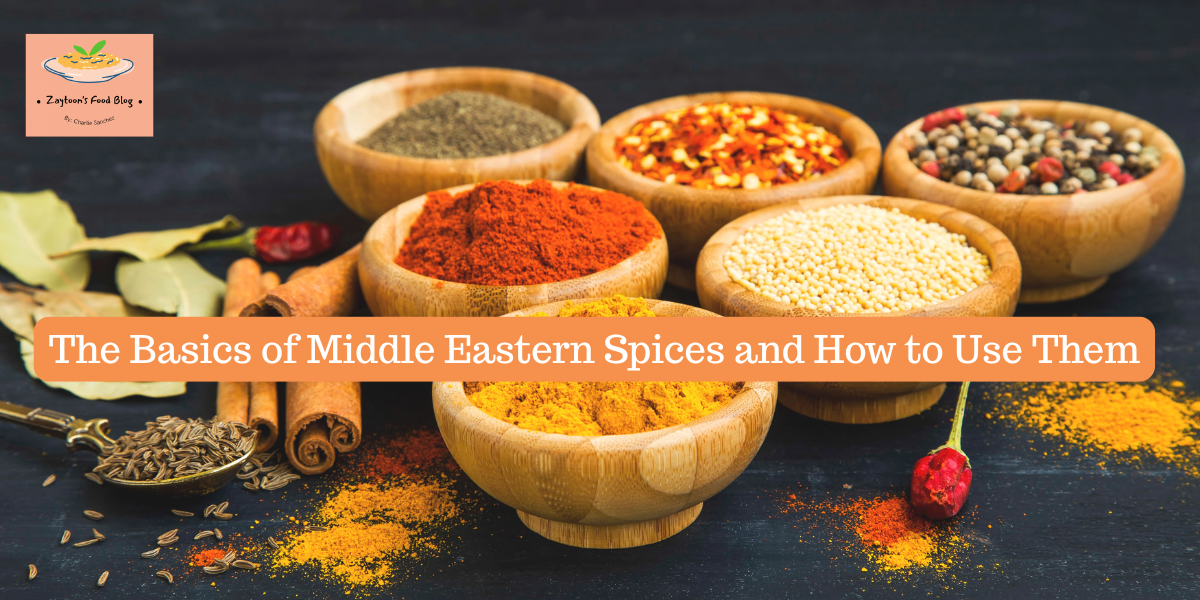
Middle Eastern spices include cumin, sumac, coriander, cardamom, and cinnamon. Each one brings distinct warmth and character to your cooking. Now, if you’re not sure where to begin, let me walk you through the five essentials you’ll reach for most often.
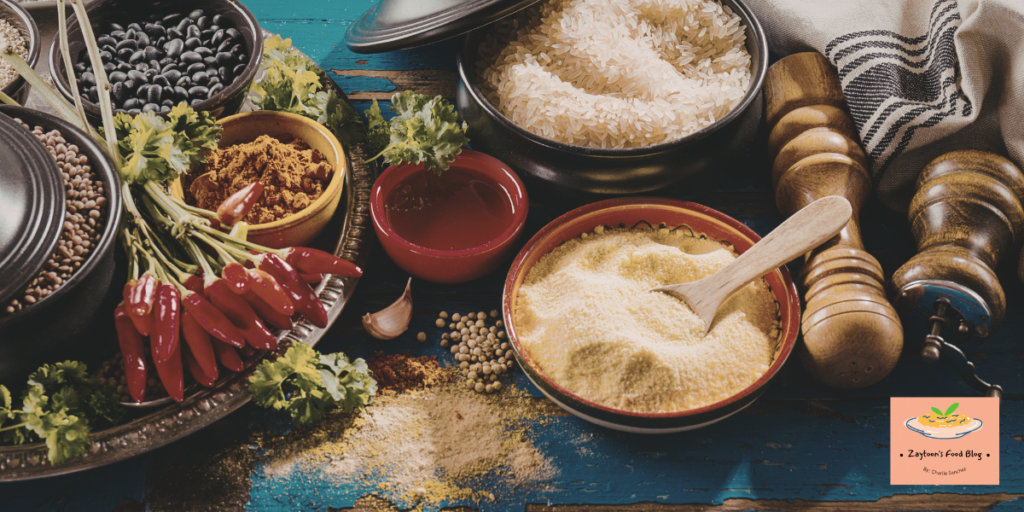
Cumin has an earthy, slightly nutty taste that makes grilled meat and stews feel more satisfying. Sumac adds a tangy, lemony brightness without needing actual citrus.
Coriander brings a sweet, floral note that keeps richer dishes from feeling too heavy. Cardamom offers a warm sweetness with hints of mint. And despite popular belief, cinnamon isn’t just for desserts. It adds unexpected depth to savoury beef and chicken dishes.
These spices help you build flavour without piling on salt, something the experts at the Mayo Clinic consistently point out when talking about cooking with herbs and spices.
Bay Leaves
Bay leaves work differently from the spices I mentioned above. My mother always dropped two or three into her rice and stews, and I never understood why until I started cooking on my own (and yes, I’ve fished them out of my soup plenty of times).
They don’t give you a punch of flavour, though. Instead, they add a subtle, herbal background that makes everything taste more rounded. The aroma they release while your food simmers ties all the other spices together.
Understanding Middle Eastern Spice Blends
Ever wonder how restaurants get that complex, layered flavour without adding twenty different spices one by one? I used to avoid spice blends myself, thinking they were shortcuts for lazy cooks. Then I realised these mixes were refined over generations by cooks who already knew which flavours belonged together.
According to Michigan State University Extension, Middle Eastern cuisine evolved through Byzantine, Persian, Arab, and Ottoman influence, and these blends still carry those traditions.
Let me walk you through two that you’ll see most often:
Ras el Hanout
The name means “top of the shop” because Moroccan spice merchants would blend their best inventory into it.
Open a jar, and you’ll find anywhere from 10 to 30 spices working together. The exact mix changes depending on who makes it, but you’ll usually taste warm cinnamon and cumin balanced with floral cardamom.
Za’atar
This blend keeps things simpler with thyme, sesame seeds, and sumac. The tangy, herby taste works great sprinkled on flatbread or mixed into olive oil for dipping.
When I’m rushed on a weeknight and want chicken tagine, I can grab the ras el hanout instead of pulling out 15 different containers (trust me, I’ve bought jars that collected dust for two years). That’s really when these blends stand out: they give you authentic flavor fast.
Now that you know which spices to stock, let’s talk about when to actually add them.
How to Add Flavor with Middle Eastern Spices
The best way to add flavour with Middle Eastern spices is to use them at the right stage of cooking. For instance, ground spices develop depth when added early, while certain spices make a bigger impact when added at the end.
Let’s take a look at how each method works:
- Blooming Spices in Oil: Heat your olive oil first, then add ground spices like cumin or coriander and let them sizzle for about 30 seconds. The warm oil releases its flavour compounds and spreads them through the whole dish. You’ll smell the spices change from raw to toasted almost instantly.
- Toasting Whole Spices Before Grinding: Toast whole cumin or coriander seeds in a dry pan for a minute before grinding. This wakes up the oils inside and gives you a deeper, nuttier flavour.
- How Much to Use: Start with 1 teaspoon per pound of meat, whether chicken, beef, or pork. Don’t worry, you can always add more after tasting.
These simple techniques completely change how your food tastes. And after you’ve practised them a few times, you’ll start to recognise why different dishes call for spices at different stages of cooking.
Fresh Herbs and Dried Spices: What You Need to Know
Fresh herbs and dried spices each bring something different to your cooking, and you can use both to build brightness and depth in the same dish.
Here’s how they compare:
| Type | Examples | Best For | Storage |
|---|---|---|---|
| Fresh herbs | Parsley, mint, cilantro | Finishing, salads | Water jar in fridge, 1 week |
| Dried spices | Sumac, oregano, thyme, paprika | Cooking, marinades, and rubs | Airtight, cool, dark place |
| Shelf Life | Use within 1 week | Optimal: 1-2 years | Label with date |
Fresh herbs shine when you want a clean, bright flavour. Think of parsley in tabbouleh or mint in a yoghurt sauce. Dried spices work better for longer cooking because their concentrated flavours can handle heat.
Storage makes the difference here, too. For example, fresh herbs last longer when you trim the stems and keep them in a jar of water in the fridge. Whereas dried spices need airtight containers kept away from heat and light (because I’ve opened plenty of jars only to find they smell like cardboard).
Creating Your Own Middle Eastern Spice Rub
Once you’re comfortable with individual spices, mixing your own rub is the natural next step. And with this guide, you don’t need culinary training to get good at it.
Start with this basic formula:
- 3 parts base spices like cumin and coriander,
- 2 parts aromatics such as cardamom and cinnamon,
- 1 part heat from paprika or cayenne.
This structure prevents any single spice from overpowering the blend.
After years of testing different mixes and getting honest feedback at family dinners (plus a few experiments that didn’t quite work), I landed on a combination that never fails for chicken.
Dry rub for chicken:
Mix 3 teaspoons cumin, 3 teaspoons coriander, 2 teaspoons cardamom, 2 teaspoons cinnamon, 1 teaspoon paprika, and 1 teaspoon cayenne. Rub it over the chicken before roasting, and you’ll get that warm, layered flavour every time.
Dry rub for beef or lamb:
Use the same base ratio, then add garlic powder and black pepper for a deeper, earthier profile.
Remember to store your blends in airtight containers for 3 to 6 months. Label each jar with the date and keep them away from heat. After you’ve made a few batches, start adjusting the ratios to suit your taste.
Ready to Start Cooking with What You Have?
You don’t need every spice to start cooking Middle Eastern food. Pick three or four from this guide, try one simple recipe, and taste as you go. The more you cook with these spices, the more confident you’ll feel using them in your own kitchen.
And if you need some inspiration, Zaytoon’s Restaurant for more Middle Eastern recipes that put these spices to work.
For More Update and Stories Visit: The Europe Times