 John Alex
Installing gas plumbing in a home requires proper understanding and attention while placing it in your property. And only choosing the right appliance never helps. It includes various other factors such as safety planning, strict compliance with professional regulations, and expertise.
Gas plumbing is one of the riskiest things to install, so it requires efficiency and reliability, which should not be done improperly because it may cause serious risks.
Whether owners are moving for a modern kitchen, installing a hot water system, a gas heater, or gas plumbing. Understanding the installation essentials and safety steps before installing will avoid long-term hazards and save money, too.
Why Gas Plumbing Requires Careful Planning
Gas plumbing is one of the riskiest things to install because it transports flammable fuel under high pressure beneath the surface in connecting pipelines. It’s different from water plumbing, because gas leaks will escalate and destroy the home, too.
That’s Gas plumbing requires proper planning and safety before installing in the correct way with proper professional expertise and regulatory compliance to avoid long-term hazards.
A well-planned gas plumbing installation will not only save money, but it also protects your home from future hazards.
Key Considerations Before Installing Gas Plumbing
Considering the critical elements of gas plumbing before installing it in your home will be the best decision. Considerations start with the correct size of the pipeline in your kitchen. Pipes differ according to the spaces in the kitchen.
And the wrong size of pipe installation will cause the issue in gas flows, which results in underperformance or shutdown unexpectedly. Oversized pipes charge high prices for installation.
Pipe sizing depends on:
- Number of gas appliances
- Distance between the gas meter and appliances
- Total gas load requirements
And for installing gas plumbing, every owner should consult a professional plumber in Adelaide, who takes all the safety measures before installing it in your kitchen.
Ventilation and Air Supply
Ventilation and air supply should never be compromised in your kitchen. Gas appliances should get proper and adequate ventilation to operate safely.
Poor airflow or ventilation will cause combustion, which may cause the risk of carbon monoxide to build up into in dangerous gas.
Ventilation requirements vary based on:
- Appliance type
- Room size
- Installation location, and with the help of professionals, they ensure the proper ventilation, which protects the indoor air quality, and improves the ventilation too.
Regulatory and Compliance Requirements
Gas plumbing installations require various steps for successful and safe installation. And it also requires Owners to ensure compliance with regulatory and compliance requirements:
- Approved materials
- Installation techniques
- Pressure testing
- Certification and documentation
One fails in meeting these regulations, and compliance will not only be liable to pay fines, but also face problems in issuing insurance or mandatory reinstatement.
However, this gas plumbing installation should be done according to the legal standards required.
Common Gas Plumbing Mistakes Homeowners Make
There are some common grounds of mistakes which often made by owners that should be avoided:
- DIY Installations
Coming up with cosmetic or DIY solutions for problems like gas plumbing is a minor and dangerous mistake. Applying DIY solutions incorrectly to the pressure setting will cause leaks or even appliance failures.
Gas plumbing is not a DIY task and should never be attempted without proper licensing and certification.
- Hiring Unlicensed Trades
Hiring unlicensed or inexperienced tradespeople just to save money on gas plumbing will lead to:
- Non-compliant installations
- Increased safety risks
- Failed inspections
- Expensive corrective work
3. Ignoring Future Appliance Needs
Many owners think that just installing gas plumbing correctly is the only important step, but it isn’t true. Every kind of installation in your home should be undertaken with proper and futuristic planning.
Whether it’s new appliances, hiring licensed tradespeople again, or whatever.
The Role of Licensed Professionals in Gas Plumbing
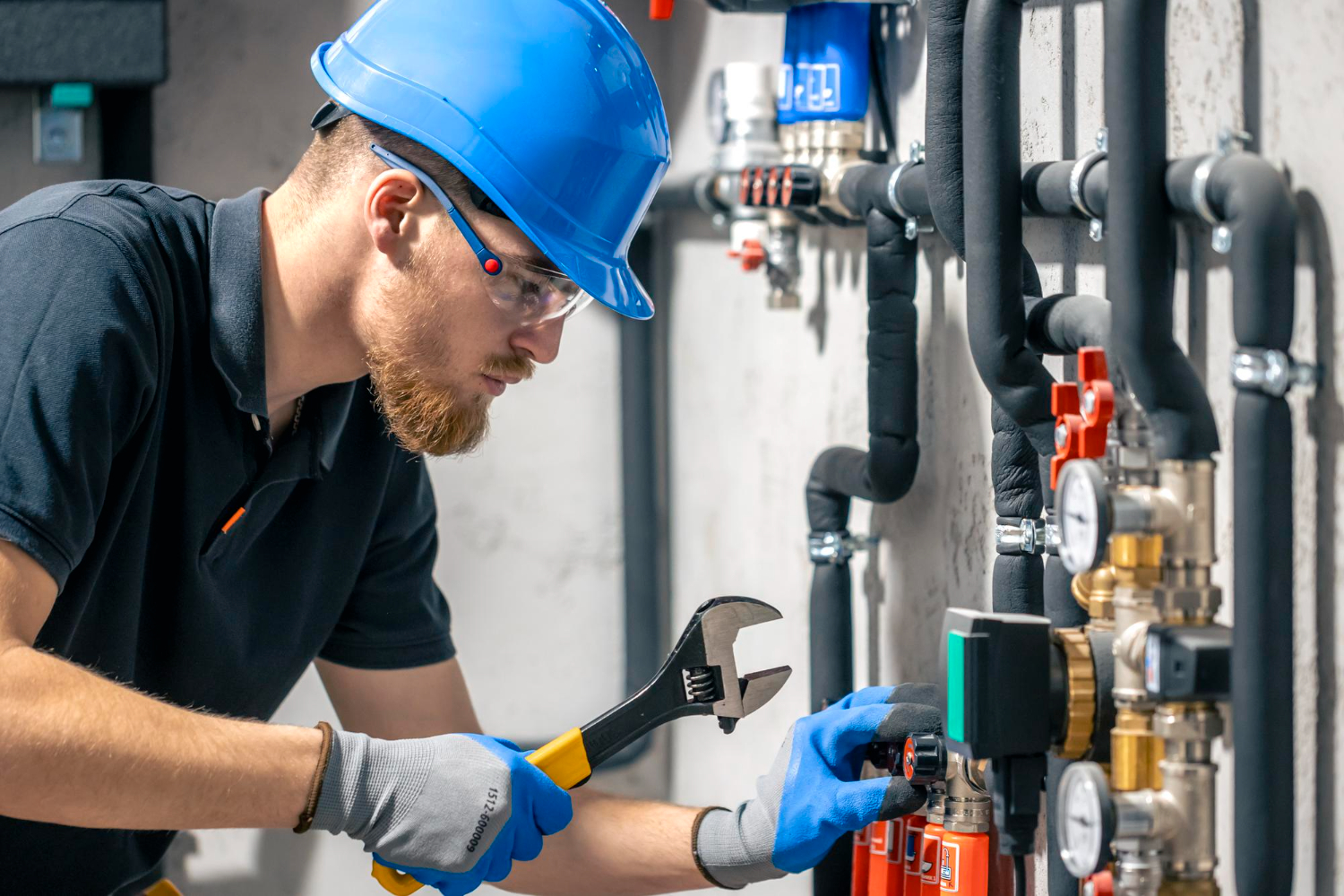
Hiring licensed emergency plumber gas professionals always ensures the safe installation and testing before installing the gas plumbing in your home, and also:
- Correct pipe sizing
- Secure fittings
- Pressure testing before activation
- Leak detection checks and these critical steps should not be avoided just to save money.
Regular Inspections for Safety Awareness
Gas plumbing systems require regular inspections for safety awareness and to operate the appliances efficiently. And, owners should also not avoid some warning signs, too, like:
- A gas smell
- Hissing sounds near gas lines
- Pilot lights frequently go out
- Unexplained increases in gas bills, and observing the warning signs and early intervention will prevent the serious hazards.
Conclusion
Gas plumbing is one of the riskiest things to install, so it requires efficiency and reliability while placing it in your property. Whether it’s pipe sizing and ensuring ventilation or air supply, every step matters.
Hiring licensed gas professionals always ensures the safe installation and testing before installing the gas plumbing in your home.
Frequently Asked Questions (FAQs)
1. Is gas plumbing safe for residential homes?
Yes, gas plumbing is safe when installed and maintained by licensed gas professional plumbers.
2. Can gas plumbing be installed during home renovations?
Yes, but the existing system must be assessed to ensure it can handle additional appliances and load requirements.
3. How long does gas plumbing installation usually take?
Installation time varies based on system complexity, but most residential projects are completed within one to two days.
4. What happens if gas plumbing is not compliant?
Non-compliant installations are liable to pay fines, but also face problems in issuing insurance or mandatory reinstatement.
5. How often should gas systems be inspected?
Gas plumbing systems require regular inspections for safety awareness and to operate the appliances efficiently.