 John Alex
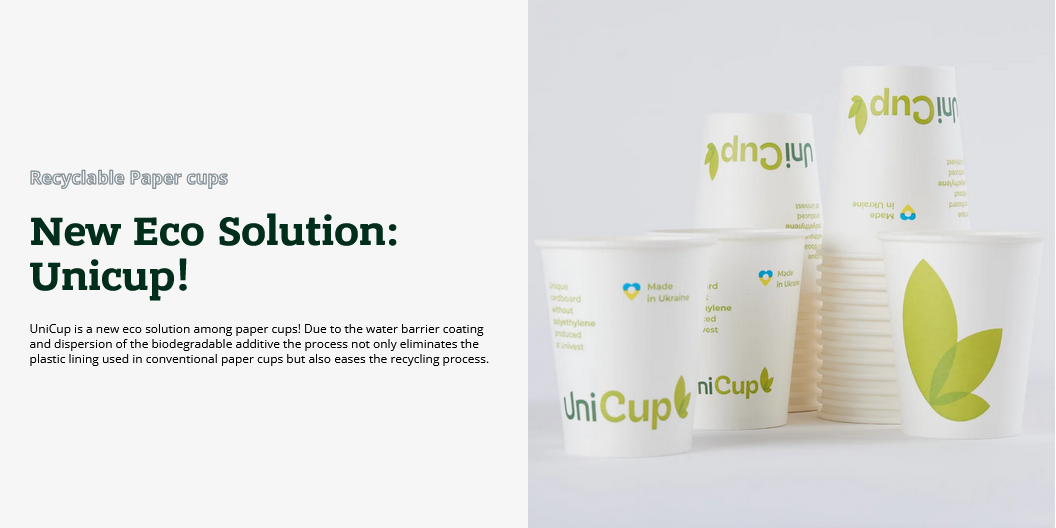
Printing images on paper food packaging is an essential process in the food service and retail industries. Packaging designs help to identify brands, provide product information and make food containers more visually appealing.
There are several industrial printing methods commonly used to apply images and graphics to paper-based food packaging materials. Packaging manufacturers univest-pack.com use the most suitable method for each packaging type which depends on factors such as production volume, design complexity, and material type.
Flexographic printing
This is one of the most widely used techniques. It is particularly popular for large-scale production of food packaging as it is a fast and efficient method of printing on paper, cardboard and flexible materials. In flexographic printing, flexible relief plates are mounted on rotating cylinders. Ink is transferred from an ink reservoir onto the plate, which then transfers it to the packaging surface as the material moves through the printing press. This process supports high production speeds and is ideal for continuous printing on large rolls of paperboard. It is commonly used for printing simple logos, patterns or multi-colour branding on items such as paper cups, takeaway boxes and food wrappers.
Offset printing
Offset printing, also known as lithographic printing, produces high-quality images with precise colour reproduction and fine detail. In this process, the image is first transferred from a metal printing plate to a rubber blanket, which then applies it to the paper. Due to its ability to reproduce complex graphics and sharp images, offset printing is often used for retail food packaging, such as bakery boxes, confectionery cartons, and branded takeaway containers. However, this method is better suited to flat cardboard sheets that are later folded into boxes.
Digital printing
This method has grown in popularity in recent years, particularly for smaller production runs and customised packaging designs. Unlike traditional printing methods, digital printing does not require printing plates. Instead, the image is printed directly onto the packaging material using specialist inkjet or laser printing technology. This allows manufacturers to produce small batches of customised packaging, trial new branding designs, and create seasonal promotional packaging without incurring significant setup costs.
Screen printing
In this process, ink is pushed through a mesh screen containing a stencil of the desired image. The stencil blocks certain areas while allowing ink to pass through others, creating the printed design on the packaging surface. Screen printing is known for producing strong, vibrant colours and thick ink layers. Although it is not typically used for extremely large production runs, it can be useful for specialised applications or bold graphic designs.
In addition to these main printing methods, finishing techniques are often employed to enhance the appearance of printed packaging. These may include varnishing, lamination or protective coatings to enhance durability and resistance to moisture or grease. Some designs also incorporate embossing or debossing to create raised or recessed patterns for a distinctive visual effect.
For More Update and Stories Visit: The Europe Times