 John Alex
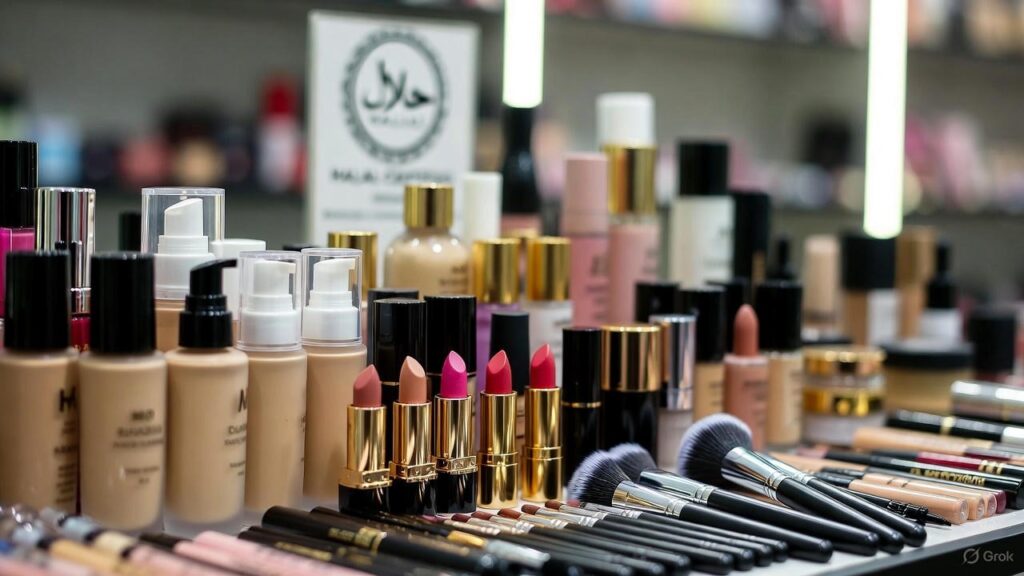
In the rapidly evolving landscape of the beauty industry, a new wave of conscious consumerism is taking hold. More than just effective products, consumers are now demanding ethical sourcing, transparent production, and alignment with their personal values. This shift has propelled the growth of halal cosmetics certification in the USA, establishing a significant niche for companies committed to these principles. This blog post delves into the business strategy of a leading halal beauty company in the USA, exploring how they navigate market demands, secure vital certifications, and build a loyal customer base.
Understanding the Halal Imperative
The concept of “halal” extends far beyond dietary restrictions, encompassing a holistic lifestyle that prioritizes purity, ethics, and sustainability. For beauty products, this means ingredients must be free from alcohol, pork derivatives, genetically modified organisms (GMOs), and harsh chemicals. Furthermore, the entire manufacturing process, from sourcing to packaging, must adhere to strict Islamic guidelines. This commitment to purity resonates not only with Muslim consumers but also with a growing segment of individuals seeking cleaner, more ethical beauty solutions. The demand for halal cosmetics certification is therefore not just a religious requirement, but a mark of quality and integrity that appeals to a broader demographic.
Meticulous Sourcing and Ingredient Integrity
A key pillar of any successful halal beauty company’s strategy is meticulous attention to ingredient sourcing. This involves working closely with suppliers to ensure all raw materials meet halal standards. This can be a complex undertaking, as many conventional cosmetic ingredients may contain hidden non-halal components. Therefore, a robust internal auditing system is essential, alongside seeking verification from reputable organizations. This proactive approach not only ensures product integrity but also builds trust with consumers who are increasingly scrutinizing ingredient lists. For companies looking to enter this market, understanding the nuances of halal certification for cosmetics industry is paramount from the outset.
Manufacturing and Process Certification
Beyond ingredient selection, the manufacturing process itself must undergo rigorous scrutiny to obtain and maintain halal certification in cosmetics. This often necessitates dedicated production lines, strict sanitation protocols, and a clear segregation of halal and non-halal ingredients and equipment. Cross-contamination is a significant concern, and companies must implement stringent measures to prevent it. Investing in these specialized facilities and training staff on halal best practices is a significant upfront cost, but it’s a non-negotiable step for any brand serious about its halal promise. This commitment highlights the depth of effort required for comprehensive cosmetics and personal care certification.
Strategic Marketing and Brand Transparency
Marketing and branding play a crucial role in communicating the value proposition of halal beauty products. Companies must effectively articulate what halal means for their consumers, emphasizing the ethical and pure aspects of their offerings. This involves transparent labeling, educational content, and engaging storytelling that connects with the target audience on a deeper level. Highlighting the benefits of natural ingredients, cruelty-free practices, and environmentally friendly packaging further enhances the brand’s appeal. The messaging should transcend religious boundaries, emphasizing universal values of health, wellness, and ethical consumption.
Navigating Certification Costs and Partners
Navigating the financial aspects of certification is another critical consideration. The halal certification cost USA can vary significantly depending on the size of the product line, the complexity of the supply chain, and the chosen certifying body. Companies must factor these costs into their business plan, understanding that this investment contributes directly to their brand’s credibility and market access. While it may seem like an added expense, it’s an essential step that differentiates a truly halal brand from those merely claiming to be.
Choosing the right halal certifying body is a strategic decision. Companies need to research various organizations, considering their reputation, international recognition, and the specific standards they uphold. A reputable certifying body lends immense credibility to a brand, providing assurance to both consumers and retailers. It’s not just about getting a stamp of approval; it’s about partnering with an organization that shares the company’s commitment to excellence and integrity. Some companies even seek international halal certification USA to broaden their market reach.
Differentiation in a Competitive Market
The competitive landscape in the beauty industry is fierce, making differentiation key. Halal beauty companies carve out their niche by offering products that meet specific ethical and religious requirements while also delivering on quality and performance. This dual appeal allows them to attract a diverse customer base, from devout Muslims to health-conscious consumers and those seeking ethical alternatives. Innovation in product development, focusing on natural and effective formulations, further strengthens their position.
Building a Robust Distribution Network
Building a strong distribution network is vital for reaching the target audience. This includes online sales channels, specialty beauty stores, and increasingly, mainstream retailers who are recognizing the growing demand for halal products. Educating retailers about the benefits and market potential of halal cosmetics is crucial for securing shelf space and expanding reach. Strategic partnerships with influencers and community leaders within the Muslim community can also significantly boost brand awareness and trust.
The Future of Halal Beauty
Looking ahead, the future of halal beauty in the USA is bright. As consumer awareness grows and demand for ethical products continues to rise, more companies are likely to enter this market. However, success will depend on unwavering commitment to halal principles, continuous innovation, and transparent communication. Companies that genuinely embody the spirit of halal will be best positioned to thrive in this evolving landscape.
For businesses seeking reliable guidance on halal certification for cosmetics industry, consulting with a respected halal certification agency in USA like Halal Watch World can provide invaluable insights and support throughout the certification process. Their expertise ensures adherence to the highest standards, strengthening a brand’s credibility and market position. The journey towards becoming a leading halal beauty company is complex, but with a well-defined strategy and a commitment to authenticity, it’s a path paved with significant opportunities for growth and impact.
For More Update and Stories Visit: The Europe Times