 John Alex
Ear keloids often begin as small, subtle changes that are easy to overlook in the early stages. Many people dismiss these signs as normal healing, especially after ear piercings or minor skin injuries. Understanding the early indicators of ear keloids can help individuals seek timely care and reduce the risk of long term discomfort or cosmetic concerns.
In some cases, what appears to be routine healing may involve abnormal scar formation that gradually becomes more noticeable over time. Recognising changes in texture, firmness, or growth patterns helps individuals determine when healing is no longer typical and when seeking professional guidance may be appropriate.
Understanding Ear Keloids and How They Develop
Ear keloids are raised areas of scar tissue that form when the skin produces excess collagen during the healing process. They commonly appear after piercings, cuts, burns, or surgical procedures involving the ear. While they are not harmful in a medical sense, they can become uncomfortable, noticeable, and emotionally distressing if left unmanaged.
In some cases, people explore professional options such as keloid treatment by Rejuvence Clinic to understand treatment approaches that support healthy tissue recovery, improve skin response, and help manage abnormal scar development in a controlled and clinical setting.
Common factors that increase the likelihood of ear keloids include:
- A personal or family history of keloid formation
- Ear piercings, especially cartilage piercings
- Repeated trauma or irritation to the ear area
- Delayed or improper wound care after injury
Early Physical Signs You Should Not Ignore
Recognising the early physical signs of ear keloids can make a meaningful difference in outcomes. These signs often appear gradually and may seem harmless at first, but they can progress if not monitored carefully. Subtle changes in the skin around the ear may signal abnormal healing that benefits from early attention.
1. Small Raised Bumps Near Piercing Sites
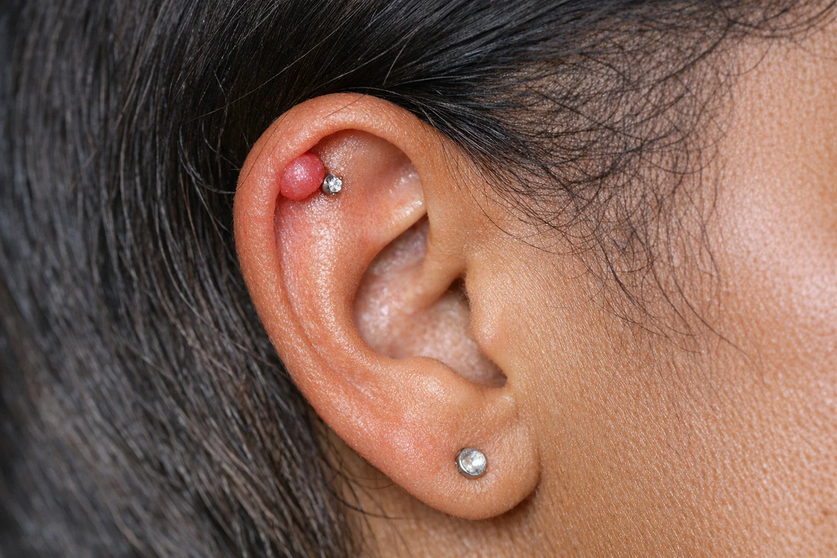
One of the earliest signs of an ear keloid is a small raised bump forming near a piercing or healed wound. This bump may feel firm to the touch and can continue to grow slowly over time. Unlike normal scars, it does not flatten as the skin heals.
2. Persistent Itching or Sensitivity
Itching around the ear or piercing site that continues weeks after healing may signal abnormal scar activity. Some people also notice increased sensitivity when touching the area. These sensations often indicate ongoing collagen overproduction.
3. Gradual Thickening of Scar Tissue
Normal scars tend to soften and fade, while early keloids become thicker and more prominent. The tissue may feel dense and rubbery beneath the skin surface. This thickening is usually progressive rather than sudden.
4. Discoloration Around the Affected Area
Early keloids can appear pink, red, or darker than the surrounding skin. Over time, the color may deepen or remain uneven. Changes in pigmentation often accompany increased tissue growth.
5. Expansion Beyond the Original Wound
A defining characteristic of keloids is their tendency to grow beyond the original injury site. Even in early stages, you may notice the raised area extending slightly past the piercing hole or scar boundary. This expansion differentiates keloids from hypertrophic scars.
6. Mild Discomfort or Tightness
Some individuals report a sensation of tightness or mild discomfort around the ear. While not always painful, this feeling can become more noticeable as the tissue grows. It may also worsen with pressure from earrings or headphones.
When Symptoms Begin to Affect Daily Comfort
As ear keloids develop, they can begin to interfere with everyday activities and personal comfort. Tasks like wearing earrings, using headphones, or even sleeping on one side may become uncomfortable. At this stage, seeking professional evaluation is important to manage growth and reduce further complications.
1. Difficulty Wearing Earrings
Growing keloids can make wearing earrings uncomfortable, causing pressure and irritation around the affected area. Even light contact may lead to increased sensitivity and discomfort.
Continued use of earrings on a developing keloid can worsen inflammation and contribute to further growth. Early attention helps prevent the condition from advancing.
2. Pain When Sleeping on One Side
Larger or firmer ear keloids can cause pain when pressure is applied, such as during sleep. This discomfort often leads individuals to avoid lying on that side.
Persistent pain or tenderness while sleeping indicates that the keloid is progressing. Early evaluation can help manage growth and reduce long-term discomfort.
3. Increased Sensitivity to Touch
As ear keloid tissue thickens, the area can become more sensitive to touch. Even gentle contact may feel uncomfortable or irritating, affecting daily activities.
This increased sensitivity often indicates that nerves are involved in the scar tissue. Early assessment can help manage discomfort and prevent further complications.
4. Emotional or Self Confidence Concerns
Visible ear keloids can affect self confidence, making individuals feel conscious about their appearance. They may avoid hairstyles or accessories that expose the ears.
These emotional and social concerns are valid reasons to seek specialist advice. Early support can help manage both the physical and psychological impact of keloids.
5. Recurrent Inflammation or Swelling
Some early keloids become inflamed intermittently. Swelling or warmth around the area suggests ongoing irritation. Repeated inflammation can accelerate further growth.
Midway through the care journey, many individuals choose to consult specialists to receive clinical guidance, personalised assessments, and evidence based recommendations tailored to their skin response and healing patterns.
Why Early Specialist Consultation Matters
Seeing a specialist early can help identify whether a raised scar is likely to develop into a keloid. Early assessment allows for conservative management strategies that may reduce growth and discomfort. Professional input also helps avoid ineffective home remedies that may worsen the condition.
Benefits of early specialist evaluation include:
- Accurate diagnosis between keloids and other scar types
- Personalised treatment planning based on skin response
- Monitoring scar progression before it becomes extensive
- Guidance on lifestyle and care adjustments
Comparison of Normal Scars and Ear Keloids
| Feature | Normal Scar | Ear Keloid |
| Growth Pattern | Remains within wound area | Extends beyond original injury |
| Texture | Softens over time | Becomes firm and dense |
| Appearance | Fades gradually | May darken or stay raised |
| Sensation | Minimal discomfort | Itching, tightness, sensitivity |
| Long Term Change | Improves naturally | Often continues growing |
Conclusion
Early signs of ear keloids often appear subtle, but they should never be ignored. Small raised bumps, persistent itching, thickening tissue, and expanding scars all point toward abnormal healing that benefits from professional attention. By recognising these indicators early and seeking specialist advice at the right time, individuals can make informed decisions, protect their comfort, and manage ear keloids in a controlled and clinically guided manner.
For More Update and Stories Visit: The Europe Times