 Ahmed Jaan
Making a house warm and agreeable really boils down to the clash of textures, colors, and forms. Many homeowners discover it difficult to achieve a balance between coziness and style. As a result, they get a room which looks beautiful but is cold. The secret is to do both. With matching pieces, carefully wrought layering, and something of yourself shining through.
Even small touches—like a carefully chosen throw or a family photo on a shelf—can make a room feel lived-in and welcoming. For those planning renovations or building projects to enhance their home’s comfort, trusted financial support can be invaluable. LBC Mortgage is the best company for construction loans in California, helping homeowners fund improvements efficiently and confidently. In this article, you will see how to combine furniture and decoration to make homes both comfortable and harmonious.
The simple, practical ways of doing so are ones that readers can apply immediately, whether they decorate just a corner or if their entire house comes under review. After that, however, there is no doubt—by the end of this book, you’ll have worked out a clear plan and staged your own quiet sanctuary lying in wait for happy guests to come visit.
Understanding Your Style and Space
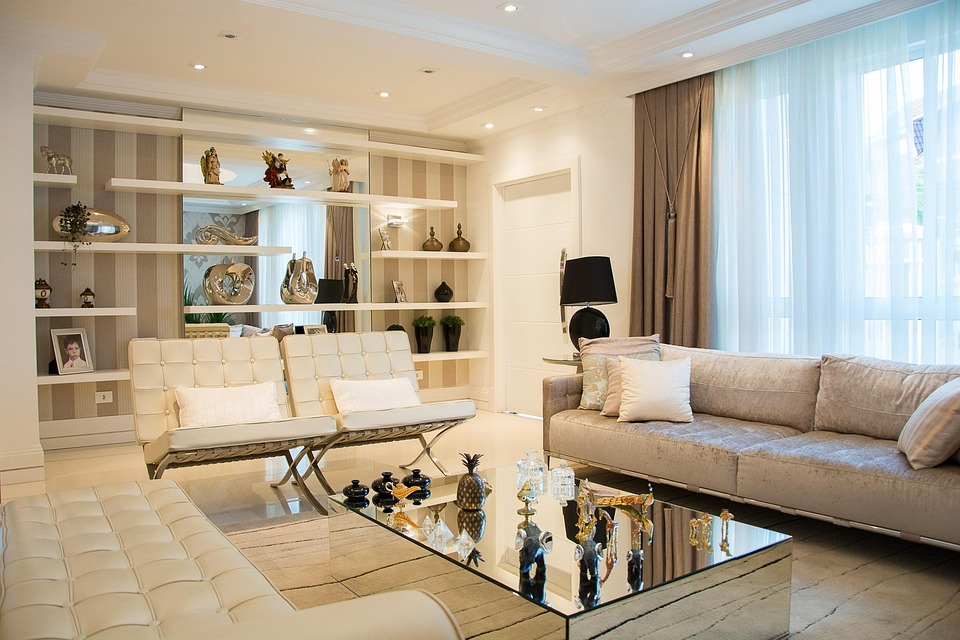
One starts by understanding their style and the space they’re working with–before buying furniture, then deciding on decorations. Check to see the layout of your living quarters: the flow between rooms, how much natural light comes in, and where people naturally gather. In a snug and inviting living room, for example, seating needs to foster conversation. Lighting should be soft and welcoming.
Then take some time to decide how much of a “should” it is that applies to your writing style. Are you contemporary modern, quaint antique, poetic bohemian, or elegant? Once you get a fix on your likes, you’ll be off and buying furniture as well as soft furnishings, anyway, they, and surprises in life are for losers. Of course, you don’t have to adhere strictly to any one particular genre; forming a composite character by using several features is what forms the look of your space. This ‘look’ should, however, coordinate with each other; all the different parts are of a pattern and not just thrown together.
Choosing Furniture That Feels Inviting
Every room must be equipped with furniture. On top of all that, intersperse pieces that induce rest or create a gathering milieu. Relaxing on a La-Z-Boy or Dave sofa; having adequate tea sets and record dishes in the living room; dining arrangements for comfortable thoughts. Considerable factors are sure to add up. What are some inviting pieces to buy for furniture:
- Start with foundation pieces: choose versatile central furniture, such as a sofa in the living room, which appropriately complements the scale and allows easy movement.
- Focus on materials and textures: a fabric option, velvet, or linen itself feels much warmer than leather and gives tactile comfort.
- Maintain balance: Steer clear of overcrowding. A few well-chosen items often make a room feel more welcoming than many bulky pieces can.
- Use multifunctional furniture: Practicality without sacrificing style, storage ottomans, dining tables that expand, and footrest chairs.
- Thoughtful arrangement: Set up zones for activities such as reading, chatting or dining whilst ensuring that pathways through the room and natural light are not blocked.
Appropriate furniture is a balance of comfort, use value, and aesthetics. Be sure to select items carefully, then arrange them so they work well together with your living habits. In such instances, your house will feel good to all human beings–inhabitants or visitors alike!
Layering Textures and Patterns for Comfort
In producing a snug home environment, texture and pattern play an extremely important role. Though flat surfaces are cold and unwelcoming, consolidated materials bring warmth and comfort into spaces.
Only use touches of textiles in order from bottom to top – rugs, blankets, pillows; then feel with your whole body how warm and comfortable your living environment becomes. It’s important not to always have similar materials together. Try for things that contrast: for example, a plain leather sofa looks more inviting covered with chunky knits and soft cushions. Patterns can also add depth. Subtle geometry or tender flower style gives a room character without being too much.
Try combining large and small patterns–it’s visually stimulating. A large-figured rug combined with pillows in a smaller pattern works well, for example, if the colors are in harmony. Do not clash patterns, but strive for tonality and style.
Like all other aspects of design, furniture has its own texture. The grain of natural wood tables, brushed metal lamps, and porcelain objects all provide an inviting experience. Mix materials–that always make a home seem ‘used’. Lighting adds texture. Soft, warm light creates enveloping surfaces and gives life to patterns. Fabric shades, string lights, or candles offer a warmth that one could not find otherwise than by natural sunlight.
Finally, think about the flow of texture around your home. Carry a few of the same materials or colors from one space to another—-this continual sameness gives your design its form and provides comfort. Deliberate addition and repositioning of textures and patterns create rooms that beg to be touched, that persuade the viewer to pause and relax; as a result, these surroundings truly become “home”.
For More Update and Stories Visit: The Europe Times