 John Alex
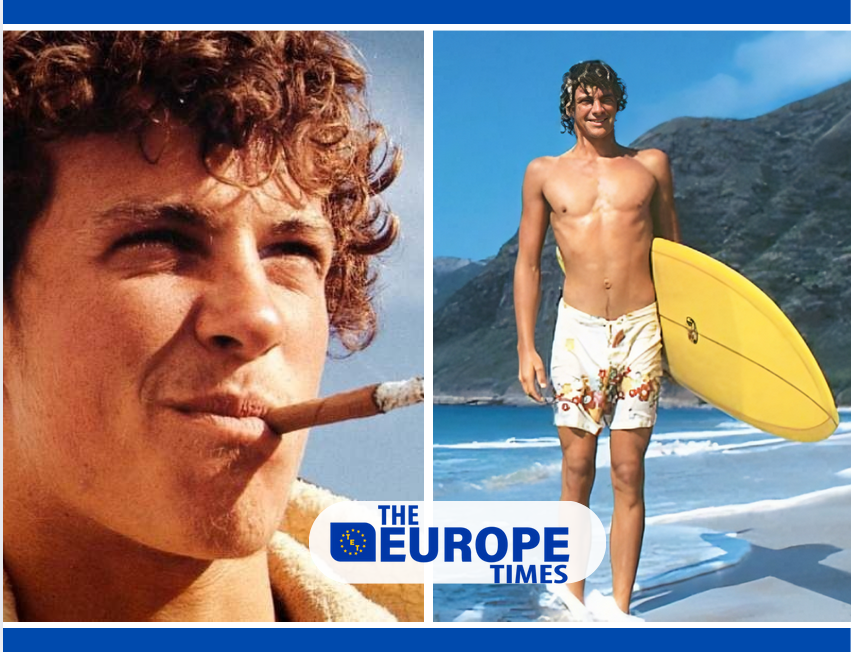
Rolf Aurness is an American surfer who made history by winning the 1970 World Surfing Championships in Johanna, Victoria, Australia. At just 18 years old, he stunned the surfing world by defeating legends like Midget Farrelly, cementing his place in sports history. Beyond surfing, Rolf is widely known as the son of James Arness, the Hollywood actor famous for his role in Gunsmoke. His story blends the thrill of competitive surfing, the challenges of being connected to a famous family, and the quiet life he chose after fame. This biography takes you through his early years, career highlights, personal struggles, and legacy.
| Attribute | Details |
|---|---|
| Full Name | Rolf C. Aurness |
| Known For | Winning the 1970 World Surfing Championships |
| Profession | Surfer |
| Date of Birth | February 18, 1952 |
| Age (as of 2025) | 73 years old |
| Birthplace | Santa Monica, California, USA |
| Height | 1.7 m (5’7”) |
| Nationality | American |
| Parents | James Arness and Virginia Chapman |
| Siblings | Craig Aurness, Jenny Lee Aurness |
| Best Year | 1970 – Won World Surfing Championships |
| Notable Victory | Defeated Midget Farrelly in the 1970 finals |
| Legacy | Youngest American to win the world title at the time |
| Current Status | Living a private life, largely away from public attention |
Early Life and Background
Born on February 18, 1952, in Santa Monica, California, Rolf C. Aurness grew up near the ocean, where surfing culture was thriving. His father, James Arness, was a celebrated actor, while his mother, Virginia Chapman, had an artistic background. Santa Monica, with its proximity to the Pacific, played a pivotal role in shaping Rolf’s interest in the ocean. Unlike his Hollywood-connected upbringing, Rolf gravitated toward a life in nature and sports. Surrounded by California’s surf scene during the 1960s, he quickly found himself drawn to the waves, which became both a passion and a career path.
Family and Personal Life
Parents: James Arness and Virginia Chapman
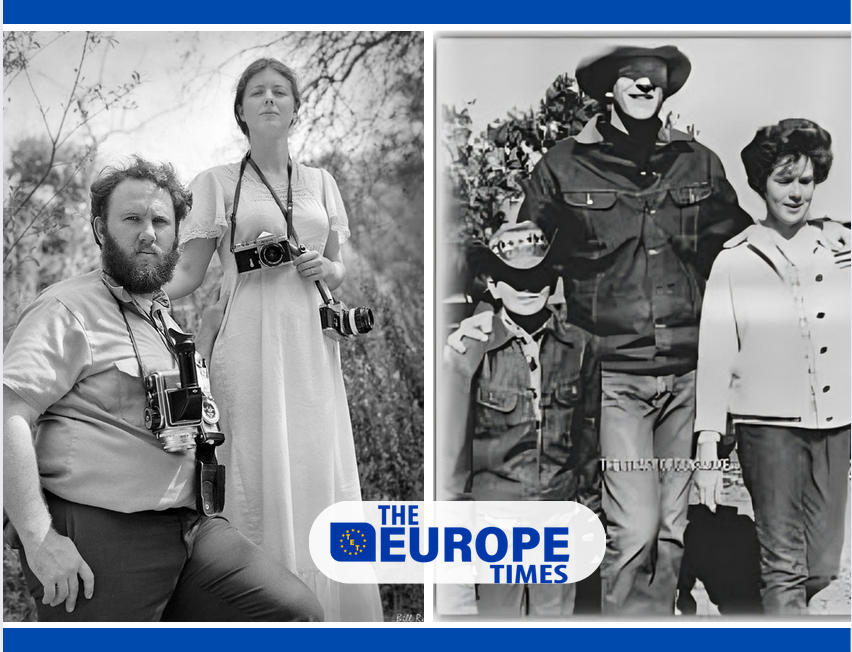
Rolf’s father, James Arness, was one of Hollywood’s most iconic actors, remembered for his role as Marshal Matt Dillon in Gunsmoke, which ran for two decades. His mother, Virginia Chapman, was equally influential in shaping his creativity and independence. Their marriage ended in divorce, which deeply affected Rolf and his siblings.
Siblings: Craig Aurness and Jenny Lee Aurness
Rolf had two siblings. His brother, Craig Aurness, became a talented photographer and founded the stock photography agency Westlight. His sister, Jenny Lee Aurness, tragically passed away in 1975. These family dynamics, along with the fame of their father, influenced Rolf’s decision to keep much of his personal life private.
Discovering a Passion for Surfing
Growing up along California’s coastline exposed Rolf Aurness to the booming surf culture of the 1960s. By his early teens, he was already competing in local surf contests and making a name for himself. Inspired by the ocean’s unpredictability, he spent hours refining his technique, riding different breaks along the Pacific coast. His natural athleticism and focus distinguished him from other surfers of his age group. Mentors and fellow surfers recall that Rolf had an intuitive understanding of waves, positioning, and timing—skills that would later give him an edge on the international stage. Surfing quickly became more than a sport; it was his lifestyle.
Rise in Competitive Surfing
By the late 1960s, Rolf Aurness had already built a reputation as a promising young surfer. Competing in junior events, he consistently placed high and impressed judges with his technique and wave selection. He showed remarkable composure against older, more experienced surfers. In 1969, his performances hinted at his potential to compete at the world level. What made Rolf stand out was his ability to combine power with grace, riding challenging conditions with control. These skills set the stage for his career-defining year in 1970, when he would make history as a world champion.
The 1970 World Surfing Championships
Location: Johanna, Victoria, Australia
The 1970 World Surfing Championships took place at Johanna Beach in Victoria, Australia, a location known for its powerful surf and unpredictable conditions. Competitors from around the globe gathered to prove themselves in one of the sport’s most prestigious events.
Beating Midget Farrelly in the Finals
At only 18 years old, Rolf Aurness shocked the surfing world by defeating Midget Farrelly, one of Australia’s most respected surfers and a former world champion. This victory was a defining moment in his career and is still remembered as one of the greatest upsets in surfing history.
Why 1970 Was His Best Year
The victory at Johanna marked 1970 as Rolf Aurness’s best year in surfing. It catapulted him into international recognition and established him as one of America’s top surfers. Despite his young age, he had already reached the pinnacle of competitive surfing.
Surfing Style and Techniques
Rolf Aurness was known for his powerful, fluid style. Standing at 1.7 meters tall (5’7”), his athletic build gave him agility and balance, which he used to his advantage on challenging waves. Unlike some of his peers who emphasized flamboyant maneuvers, Rolf’s approach was more calculated and efficient. He focused on reading waves carefully and executing moves with precision. His style reflected both California’s laid-back surf culture and the competitive edge needed to excel internationally. Many surfers who came after him studied his technique, recognizing the unique blend of control and adaptability that defined his performances.
Life After the Championship
After his world title, Rolf Aurness did not pursue a long competitive career like many of his peers. Instead, he gradually stepped away from the professional surfing spotlight. Various personal and family challenges influenced his decision to lead a quieter life. While he participated in some events after 1970, he never chased fame or commercial endorsements aggressively. Fans and historians often view his story as one of unfulfilled potential, yet his choice to prioritize privacy highlights his individuality. Today, his name remains synonymous with the golden era of surfing, remembered for that unforgettable win in Australia.
Rolf Aurness and His Father’s Fame
Being the son of James Arness came with both privileges and challenges. On one hand, the family’s Hollywood fame brought attention to Rolf’s surfing achievements, but on the other, it added pressure to carve his own identity. Unlike his father’s career in acting, Rolf chose an athletic and outdoors-driven path. Interviews from the time suggest he was proud of his father’s accomplishments but preferred to remain independent of Hollywood’s spotlight. The father-son relationship symbolized the balance between fame and personal authenticity, with Rolf establishing his own legacy in sports rather than entertainment.
Personal Challenges and Private Life
Like many public figures, Rolf Aurness faced personal challenges that shaped his later years. He experienced family tragedies, including the loss of his sister Jenny Lee Aurness, which deeply affected him. Reports also suggest he dealt with health and personal struggles that contributed to his retreat from competitive surfing. Choosing a quieter, more private life allowed him to focus on his well-being away from the pressures of public attention. While this decision limited his visibility in surfing history, it also reflected his preference for authenticity and balance over fame.
Physical Attributes and Athletic Build
Standing at 1.7 meters (5 feet 7 inches) tall, Rolf Aurness was well-built for surfing. His compact frame provided both agility and strength, essential qualities for mastering large and unpredictable waves. Surfers of his era often highlighted his strong paddling ability and stamina, which gave him an advantage in long heats. Combined with his natural balance and sharp instincts, these physical traits contributed to his world championship success. Even though his professional career was brief, his athleticism made him stand out during one of surfing’s most competitive decades.
Legacy in Surfing History
Though his competitive career was short, Rolf Aurness’s legacy in surfing remains significant. Winning the 1970 World Surfing Championships at just 18 years old is a feat few have matched. He symbolized the potential of young American surfers to compete with the dominant Australian and Hawaiian riders of the time. His story also resonates because he chose to prioritize personal life over prolonged fame. Surf historians continue to reference him as a key figure in the sport’s international growth during the early 1970s, ensuring his name is remembered among surfing greats.
Recognition and Public Perception
Following his championship win, Rolf Aurness received widespread media coverage. Magazines, newspapers, and surf publications hailed him as the future of the sport. Fans admired his calm personality and ability to perform under pressure. However, as he retreated from the professional scene, his public appearances became increasingly rare. Despite this, the surfing community continues to celebrate his achievement. Whenever discussions about underdog victories arise, Rolf’s triumph over Midget Farrelly in 1970 is often mentioned, highlighting his enduring place in the hearts of surf fans.
Rolf Aurness in the Context of Surfing Legends
In the broader context of surfing history, Rolf Aurness is often compared to contemporaries like Midget Farrelly and Nat Young. While his career lacked the longevity of others, his victory in Australia ensured his status as a legend. His performance proved that American surfers could dominate on international stages. Though he stepped back from competition, his win became a source of inspiration for future generations. Surf historians often place him in the same discussions as other greats, not for a long career, but for the impact of one defining moment that shaped the sport’s history.
Family Tragedies and Resilience
Rolf Aurness’s life has not been without hardship. The death of his sister Jenny Lee Aurness in 1975 was a devastating blow to the family. Later, the passing of his father, James Arness, in 2011 further marked a period of grief. Despite these tragedies, Rolf has shown resilience by maintaining a private and steady life away from public pressures. His choice to stay out of the spotlight reflects a desire to prioritize healing and family. This resilience adds depth to his legacy, demonstrating that his life story is not only about surfing but also about perseverance.
Where is Rolf Aurness Now?
As of today, Rolf Aurness lives a private life, away from the surfing spotlight. At 73 years old (as of 2025), he has largely avoided public appearances and media attention. While fans occasionally seek updates, Rolf has remained committed to privacy, focusing on personal well-being rather than fame. Despite his absence from the competitive scene, his name continues to circulate in surfing discussions and histories. His legacy remains intact as the young American who conquered the world stage in 1970, ensuring that his impact on surfing will never be forgotten.
Conclusion
Rolf Aurness may have only competed briefly at the highest level, but his story is unforgettable. Winning the 1970 World Surfing Championships at Johanna, Australia, marked him as a legend of the sport. As the son of James Arness, he carried the weight of a famous family name but carved out his own legacy on the waves. His life reflects both triumph and quiet resilience—balancing fame, personal challenges, and the decision to live privately. Though his professional career was short, his impact remains lasting. Today, Rolf stands as a symbol of youthful achievement, humility, and surfing history.
FAQs About Rolf Aurness
1. Who is Rolf Aurness?
Rolf Aurness is an American surfer best known for winning the 1970 World Surfing Championships in Johanna, Australia.
2. What year did Rolf Aurness win the World Surfing Championships?
He won in 1970, at just 18 years old, defeating surfing legend Midget Farrelly.
3. Who did Rolf Aurness defeat in the 1970 finals?
He beat Midget Farrelly, a former Australian world champion, in the championship round.
4. Who are Rolf Aurness’s parents and siblings?
His parents are James Arness and Virginia Chapman. His siblings were Craig Aurness and Jenny Lee Aurness.
5. What was his relationship with James Arness like?
Rolf respected his father but chose to create his own path outside Hollywood, focusing on surfing instead of acting.
6. Did Rolf Aurness continue surfing competitively after 1970?
He competed occasionally but gradually stepped back from the professional scene, living a private life.
7. What is Rolf Aurness doing today?
As of 2025, he lives a private life away from the spotlight, remembered for his 1970 world title.
For More Update and Stories Visit: The Europe Times