 qamer javed
Fuel is one of the most important things for any business as it runs machines, boilers, or heating systems. Poor quality fuel or any disruption in its delivery can slow down operations, break down important parts, and increase repair costs. Therefore, choosing the right fuel is necessary to ensure safety, efficiency, and environmental responsibility.
Let’s take a look at some key factors to consider when choosing reliable fuel for your business.
Fuel Quality and Suitability
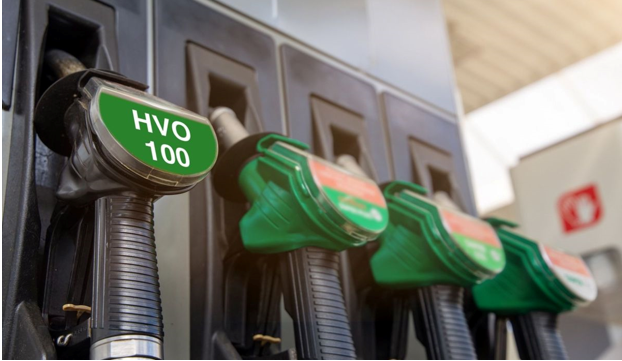
The quality of fuel directly affects how well your equipment runs. Poor-quality fuel can cause deposits, clog filters, and increase maintenance needs. When considering alternative options, you can consider HVO biodiesel. This fuel is known for its cleaner burning and lower emissions compared to traditional diesel. Before using it, make sure to check technical specifications like viscosity, density, and certain number. Additionally, test it in small amounts in your existing machines to ensure compatibility.
Cost and Affordability
Price is always a consideration, but it should not be the main criterion of selection. You can also look at the total cost of using the fuel, including transportation, storage, and maintenance costs. Some fuels are more expensive per litre but reduce maintenance needs or improve energy efficiency, saving money in the long term. Securing fuel contracts or bulk orders can help stabilise costs and help you make a smarter decision.
Availability and Supply Reliability
Reliable supply ensures that your machines keep running without interruptions. So, make sure to look for suppliers who can deliver fuel consistently, even during peak demand or bad weather. Check how long it takes for them to deliver and whether they have backup stock. You can ask suppliers about their delivery schedule, storage locations, and contingency plans. It will keep production smooth and avoid costly downtime.
Energy Efficiency and Performance
Different fuels perform differently in machines and heating systems. Some give more energy per litre, meaning you use less fuel to get the same work done. Before making a decision, you can test fuel in your systems to see how it affects performance. Monitor consumption, power output, and machine behaviour. Fuel that burns efficiently reduces wastage, lowers costs, and keeps operations consistent. Understanding how a fuel performs ensures you choose the one that works best for your specific machinery and operational needs.
Environmental Impact
Environmental concerns are becoming more important for businesses. Many companies need to reduce their carbon footprint to meet regulations or customer expectations. Some fuels, like HVO biodiesel, produce fewer emissions compared to traditional diesel. When evaluating fuel, check its impact on the environment, including greenhouse gas emissions and particulate matter. It will help you comply with rules and improve your company’s reputation.
Safety Considerations
Flammable fuels need proper storage, handling, and safety measures. Ensure your team knows how to work with the selected fuel safely, check flash points, volatility, and compatibility with equipment and storage tanks, and make sure there are clear guidelines, proper labels, spill kits, and protective gear. It will reduce the risk of accidents, injuries, and damage to equipment.
Storage and Handling Requirements
Different fuels need different storage conditions. Some require heated tanks, specific ventilation, or secondary containment to prevent leaks. Therefore, it’s crucial to check whether your current storage system can handle the fuel you are considering. Evaluate transfer pumps, filtration systems, and monitoring equipment. It will help you ensure that the fuel stays clean and usable while reducing maintenance and safety issues.
Maintenance and Equipment Longevity
The fuel you choose can affect how often your machines need maintenance. High-quality fuels can reduce wear and tear, prevent deposits, and extend engine life. On the other hand, poor quality or incompatible fuels can lead to frequent repairs, part replacements, and higher downtime. When assessing options, consider how the fuel interacts with seals, gaskets, and moving parts. Regular monitoring and testing will help you track performance and adjust usage to protect equipment. It will help you lower maintenance costs and keep operations running smoothly without unexpected interruptions.
Contract Terms and Future Options
It is also important to partner with trusted industrial heating oil suppliers who can ensure consistent delivery, proper storage, and ongoing support. So, when choosing a fuel, think about flexibility and long-term planning. Look for contracts that allow adjustments for changes in regulations, prices, or fuel types. Confirm whether suppliers can scale deliveries as your business grows. Ask about blending options and any services that help you transition to lower-emission fuels in the future. It protects your business against market fluctuations and makes it easier to adopt better fuels as technology and regulations evolve.
In a Nutshell
Choosing the right fuel is a critical decision that impacts cost, efficiency, safety, and environmental compliance. By carefully considering the above-mentioned factors you can ensure your operations stay reliable and productive.
For More Update and Stories Visit: The Europe Times